
Understanding the Importance of Proper Commercial Roof Replacement
A commercial roof replacement is a significant investment, but it’s essential for maintaining the safety, functionality, and value of your property. Unlike quick repairs, a complete replacement ensures the entire roofing system is upgraded, addressing both visible and hidden issues. A well-executed replacement not only protects your building from weather-related damage but also improves energy efficiency and enhances overall aesthetics. This process requires careful planning and expertise to minimize disruptions and achieve long-lasting results. By understanding the steps involved in a commercial roof replacement, property owners can make informed decisions that ensure durability and cost-effectiveness for years to come.
1. Assessing the Current Roof Condition
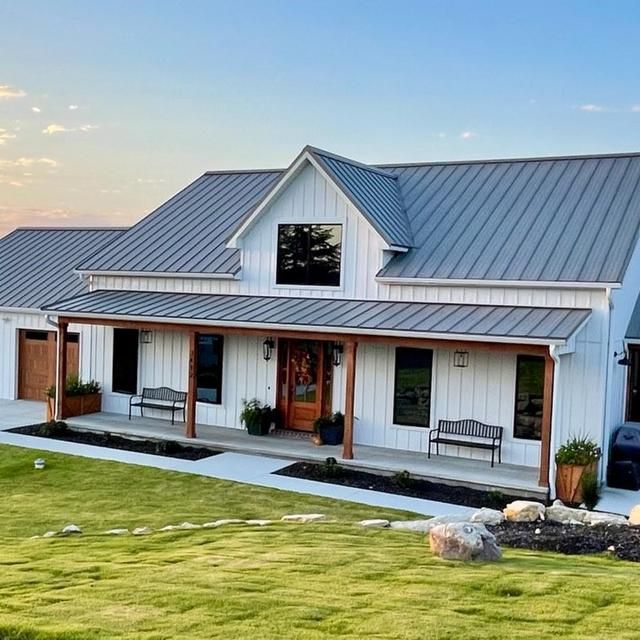
The first step in any commercial roof replacement is a thorough assessment of the roof’s current condition. This process helps determine the extent of damage, structural issues, and whether a complete replacement is necessary. A detailed inspection by a professional contractor ensures no hidden problems are overlooked, which is vital for a successful and durable roofing system.
1.1. Identifying Damage and Weak Spots
Roof inspections focus on identifying visible damage and potential weak points. Common issues include leaks, water stains, sagging areas, blistering, and cracks in the roofing material. These problems often signal underlying concerns, such as deteriorated insulation or weakened structural components. Detecting these issues early helps ensure the replacement process addresses the root causes, not just surface-level symptoms.
1.2. Determining Whether Repair or Replacement is Necessary
Not all roofing issues require a full replacement. For some properties, minor repairs may suffice to restore functionality. However, if the roof is nearing the end of its lifespan or has widespread damage, a complete replacement is often the most cost-effective solution. Factors like the roof’s age, the frequency of previous repairs, and the cost of ongoing maintenance also influence this decision.

2. Choosing the Right Roofing Materials
Selecting the right materials for a commercial roof replacement is a crucial step that impacts the roof’s longevity, performance, and appearance. With numerous options available, property owners must consider factors like durability, energy efficiency, and compatibility with the building’s design. A well-chosen material ensures the roof withstands environmental challenges and meets the unique needs of the property.
2.1. Exploring Popular Commercial Roofing Materials
Several roofing materials are commonly used in commercial applications, each offering distinct benefits. Asphalt shingles are a cost-effective option, providing reliable protection and ease of installation. Metal roofing is prized for its durability and energy efficiency, as it reflects heat and reduces cooling costs. Stone-coated systems combine aesthetic appeal with long-term resilience, making them ideal for properties seeking a polished look. Lastly, rubber roofing is a flexible and eco-friendly option, particularly for flat or low-slope roofs, offering excellent waterproofing and resistance to UV damage.
2.2. Factors to Consider When Selecting Materials
The choice of roofing materials depends on several key considerations. Climate plays a major role, as certain materials perform better in specific weather conditions. Additionally, building use, energy efficiency requirements, budget constraints, and maintenance expectations must be carefully evaluated. Selecting the right material ensures a roof that meets both functional and financial goals.

3. Planning and Budgeting for the Project
Proper planning and budgeting are essential for a successful commercial roof replacement. A well-thought-out approach ensures the project stays on schedule, minimizes disruptions, and avoids unexpected costs. This phase involves creating a realistic timeline, understanding the financial scope, and preparing for potential challenges.
3.1. Creating a Timeline for the Roof Replacement
A commercial roof replacement is a multi-step process, and setting a timeline helps streamline the work. Contractors typically start with an initial inspection, followed by material selection, permitting, and scheduling. The timeline also accounts for weather conditions, as heavy rain or snow can delay progress. On average, the replacement process takes a few weeks, depending on the roof size and complexity. Proper scheduling helps business owners minimize operational disruptions by planning work during off-peak hours or quieter business periods.
3.2. Estimating Costs and Setting a Budget
A clear budget is vital for avoiding financial surprises during a roof replacement. Costs typically include materials, labor, permits, and disposal of old roofing. Property owners should also factor in additional expenses for structural repairs, should they arise during the process. Contractors often provide detailed estimates to help businesses prepare. Comparing quotes from trusted professionals and understanding warranty coverage ensures long-term value while staying within budget. By planning ahead, business owners can confidently invest in a durable and efficient roofing system.

4. Preparing the Building and Worksite
Preparation is a critical step in a commercial roof replacement, ensuring the safety of everyone involved and minimizing disruptions to daily operations. This phase involves organizing the worksite, communicating with building occupants, and implementing safety measures to create a smooth and efficient process.
4.1. Communicating with Tenants and Occupants
Commercial buildings often house multiple tenants or employees, so clear communication is essential. Property owners should inform occupants well in advance about the project’s timeline and potential disruptions, such as noise, restricted access, or temporary closures. Providing updates throughout the process helps maintain trust and reduces inconvenience. In some cases, contractors can schedule work during off-hours or weekends to minimize the impact on business operations.
4.2. Securing the Worksite for Safety
A commercial roof replacement requires a well-organized and secure worksite to protect workers, occupants, and the building itself. Contractors typically establish safety zones using barriers, cones, and signage to keep people away from hazardous areas. Debris management is another priority, with designated disposal zones and regular cleanup to prevent accidents. Additionally, all materials and tools are stored securely to avoid damage or theft. By prioritizing safety and preparation, property owners and contractors ensure a more efficient and worry-free roofing replacement process.

5. The Roof Replacement Process: Step by Step
The roof replacement process involves several carefully executed steps to ensure a durable, high-quality result. Each stage is essential for addressing existing issues and creating a roofing system that provides long-term protection and performance.
5.1. Removing the Old Roof
The first step is tearing off the existing roof. Contractors carefully remove old materials, including shingles, underlayment, and insulation, to expose the roof deck. This step is vital for identifying hidden damage or structural weaknesses that may not have been apparent during the initial inspection. Proper disposal of debris is a priority, with most materials being taken to recycling facilities or landfills in compliance with environmental regulations.
5.2. Inspecting and Repairing the Underlying Structure
Once the old roof is removed, the roof deck is thoroughly inspected for signs of rot, water damage, or other structural issues. Any compromised areas are repaired or replaced to ensure a solid foundation for the new roof. Neglecting this step can lead to future problems, so contractors take great care to address all underlying concerns.
5.3. Installing the New Roof System
The final step is installing the new roofing materials. This involves placing a high-quality underlayment, followed by the chosen roofing material. Proper installation techniques, including sealing edges and ensuring proper drainage, are critical for preventing leaks and maximizing the roof’s lifespan.
6. Conducting a Final Inspection and Quality Check
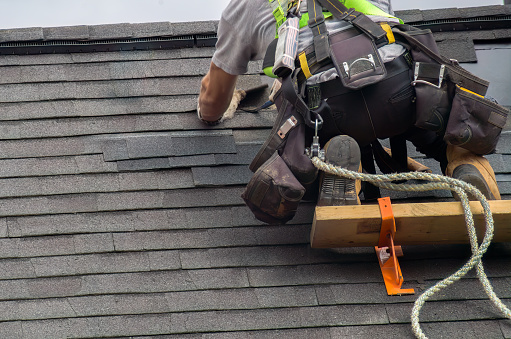
Once the new roof is installed, a comprehensive final inspection ensures the replacement meets all safety, quality, and performance standards. This critical step verifies that the roof is ready to protect the property for years to come and addresses any concerns before project completion.
6.1. Ensuring Proper Installation and Warranty Coverage
During the final inspection, contractors check the roof for proper installation, ensuring that all materials are securely attached and that waterproofing and drainage systems are functioning correctly. Flashings, seams, and edges are closely examined to confirm there are no vulnerabilities. Additionally, the inspection verifies compliance with manufacturer specifications to uphold warranty coverage. A properly installed roof ensures long-term performance and provides peace of mind for the property owner.
6.2. Addressing Any Issues Before Finalizing the Project
If any issues are identified during the inspection, they are resolved promptly to avoid future problems. This includes minor adjustments, such as re-sealing edges or replacing damaged shingles. Contractors also review the project details with the property owner, providing maintenance tips and warranty information. By conducting a thorough quality check, property owners can rest assured that their investment in a new roof is both durable and reliable.

7. Maintaining Your New Commercial Roof for Longevity
After a commercial roof replacement, ongoing maintenance is essential to preserve the roof’s condition and maximize its lifespan. Proactive care helps prevent costly repairs and ensures the roof continues to protect the property efficiently for decades.
7.1. Setting Up a Maintenance Schedule
A regular maintenance schedule is critical for detecting and addressing issues early. Schedule professional roof inspections at least twice a year—typically in spring and fall—to check for wear, debris buildup, or damage caused by weather. Routine cleaning, including removing leaves and debris from gutters and drainage systems, prevents clogs that can lead to water damage. Property owners should also monitor the roof after severe storms to catch any potential problems, such as missing shingles or punctures, before they worsen.
7.2. Knowing When to Call for Professional Repairs
While some maintenance tasks, such as cleaning gutters, can be performed in-house, it’s important to recognize when professional repairs are needed. Warning signs like persistent leaks, sagging areas, or loose materials should be addressed immediately by experienced contractors. Prompt action prevents minor issues from escalating into major problems. By combining regular maintenance with timely professional attention, property owners can protect their investment and ensure the long-term performance of their commercial roof.

Conclusion
A complete commercial roof replacement is a detailed process that requires careful planning, the right materials, and thorough inspections. By following the proper steps—from assessing the roof’s condition to selecting materials and scheduling maintenance—property owners can ensure their new roof delivers long-term protection and value. Regular maintenance and timely repairs are key to preserving the roof’s performance and preventing costly issues in the future. Working with experienced contractors throughout the replacement process helps ensure that all aspects are handled professionally, providing peace of mind and safeguarding the building for years to come.