
Understanding Roofing Myths
Roofing is an essential part of protecting your home or business, but there are many myths and misconceptions that can lead to costly mistakes. From DIY repair ideas to false beliefs about roofing materials, it’s easy to get confused about what’s true and what’s not. In this article, we’ll debunk some of the most common roofing myths and provide you with the facts you really need to know. Whether you’re dealing with roof repairs, installations, or maintenance, understanding these truths will help you make smarter, more informed decisions about your roofing needs. Let’s set the record straight!

Myth 1: A Roof Doesn’t Need Maintenance After Installation
One of the most common misconceptions about roofing is that once a roof is installed, there’s no need for further maintenance. While a new roof can last for many years, regular maintenance is essential to ensure its longevity and performance. Neglecting routine inspections and care can result in costly repairs down the line.
Roofing Materials and Their Lifespan
Different roofing materials, such as asphalt shingles, metal, rubber, and stone, have varying lifespans and maintenance needs. For example, asphalt shingles may last around 20-30 years, but regular inspections are necessary to ensure they remain intact and free from damage. Metal roofs, though durable, can develop rust or loose panels over time. Rubber roofing, often used in commercial buildings, can suffer from UV degradation if not properly maintained. Even stone roofs, though highly durable, can experience cracks and leaks that go unnoticed without proper care. By investing in routine inspections, you can catch minor issues before they become major problems.
How Ignoring Roof Maintenance Can Lead to Expensive Repairs
Neglecting roof maintenance may seem like a way to save money initially, but it can lead to far more expensive repairs in the future. Over time, small issues like clogged gutters, minor leaks, or damaged shingles can escalate into more serious problems. Water damage, mold growth, and structural weaknesses can result from unaddressed roof issues, which can require extensive and costly repairs or even a full roof replacement. Regular maintenance is an investment that helps prevent these unnecessary expenses, ensuring your roof remains in optimal condition for years to come.

Myth 2: DIY Roof Repairs Are Just as Effective as Professional Work
With the rise of DIY culture and the many online tutorials available, it’s easy to think that roofing repairs can be handled by anyone with a ladder and a toolbox. However, this belief is not only misleading but can also result in long-term damage to your roof. Professional roofing contractors bring expertise, tools, and materials that simply aren’t available to the average homeowner. When it comes to roof repairs, hiring a professional ensures that the job is done right the first time.
Why Professional Roofers Are Essential for Repairs
Roof repairs involve more than just fixing a visible issue. Professionals have the knowledge to assess the full scope of damage, including hidden problems like water damage, structural issues, or weakened materials. They are also skilled in identifying potential risks that an untrained eye may miss. A professional roofer has access to specialized tools and high-quality materials that ensure repairs will last. Whether dealing with asphalt shingles, metal, rubber, or stone, a professional’s experience will help them make informed decisions, ensuring that repairs are effective and sustainable.
The Hidden Dangers of Improper Repairs
Attempting DIY roof repairs can lead to unintended consequences. Without proper training, it’s easy to make mistakes, such as using the wrong materials or failing to address underlying issues. Improper repairs can result in water leaks, mold, or even structural damage. In some cases, DIY repairs can void warranties or insurance coverage, leaving you liable for expensive fixes. Hiring a professional ensures that the repairs are done correctly, preserving the integrity of your roof and preventing future complications.

Myth 3: A Metal Roof Will Attract Lightning
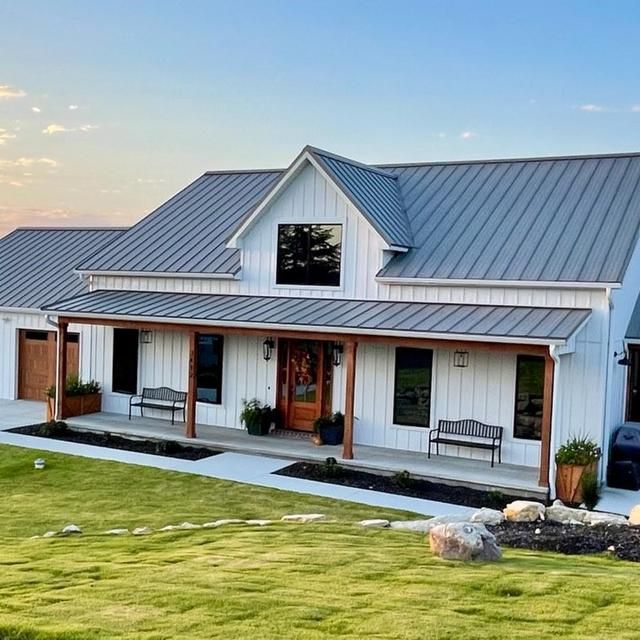
A common myth surrounding metal roofing is the belief that it attracts lightning more than other roofing materials. While this myth can cause homeowners to hesitate when considering a metal roof, it’s far from the truth. In fact, metal roofs are no more likely to be struck by lightning than any other roofing material. Understanding the facts about how lightning interacts with buildings can help put this misconception to rest.
How Metal Roofs are Actually Safer in Storms
Metal roofs do not increase the likelihood of lightning strikes. In fact, because metal is a conductor, if lightning were to strike, the electrical charge would pass through the roof and safely disperse through the building’s grounding system. This makes metal roofs safer than non-conductive materials, which may not allow the electricity to travel through them as efficiently. Metal roofs are also more resistant to fire, which can be a concern during storms with lightning strikes. As a result, metal roofs offer additional safety features that can protect your home or business during severe weather.
The Role of Grounding and Other Safety Features
A properly installed metal roof is grounded to prevent any electrical charge from causing harm to the building. Roofing professionals ensure that grounding systems are in place to direct electricity safely to the ground, minimizing any potential risks. Many modern homes and businesses also have lightning protection systems in place, which further reduce the risk of damage. Overall, metal roofs, when installed correctly, are a safe and reliable option, providing strong protection against the elements without increasing the risk of lightning strikes.
Myth 4: You Can Only Install a New Roof During Warm Weather
Many homeowners and business owners believe that roof installation and repairs are limited to warm weather months, but this is a misconception. While some roofing projects may be easier to complete in mild temperatures, roofing can be done year-round, even during colder months. Depending on the materials used and the installation process, roofing projects can continue smoothly, regardless of the season.
Roofing Materials That Perform Well in Cold Weather
Certain roofing materials, like metal and rubber, are actually ideal for installation during colder weather. Metal roofs can be installed in colder temperatures without compromising their integrity, as they are durable and flexible enough to withstand temperature fluctuations. Rubber roofing, often used in commercial roofing projects, is also a versatile material that can handle lower temperatures. Some materials, such as asphalt shingles, may become more brittle in extreme cold, but professional roofing contractors know how to work around these challenges, using specialized adhesives and techniques to ensure proper installation even in cooler weather.
The Benefits of Off-Season Roof Installations
Scheduling roof installations or repairs during the off-season can offer several advantages. First, contractors often have more availability during the fall and winter months, meaning that you may be able to get your project done faster than during the busy spring and summer months. Additionally, the off-season often comes with cost savings, as contractors may offer lower prices or discounts to fill their schedules during slower times. By choosing to install or repair your roof in the off-season, you can enjoy both faster service and potential savings while ensuring your home or business is properly protected.

Myth 5: Roof Restoration Is Just a Band-Aid Solution
Roof restoration is often misunderstood as a temporary fix, something that only postpones the inevitable need for a full roof replacement. However, roof restoration is a comprehensive and effective process that can extend the life of your roof, providing long-term benefits at a fraction of the cost of a full replacement. This myth overlooks the advantages of restoring a roof rather than replacing it entirely.
The Benefits of Roof Restoration for Both Residential and Commercial Roofing
Roof restoration involves repairing and renewing your existing roof rather than tearing it off and starting from scratch. For residential homes, restoration can involve cleaning, sealing, and reinforcing the roofing materials, ensuring they are more durable and resistant to leaks. For commercial roofing, restoration can include coating the roof with a protective layer that enhances its lifespan and prevents further damage. Unlike temporary fixes, roof restoration aims to address existing problems and prevent new ones, allowing homeowners and business owners to enjoy a fully functional roof for many more years. It’s an excellent choice for those who want to avoid the expense and disruption of a full replacement while still improving the roof’s overall condition.
How Roof Restoration Improves Energy Efficiency
Another key benefit of roof restoration is improved energy efficiency. Over time, roofing materials can degrade, allowing heat to escape in the winter or enter the building in the summer, leading to higher energy bills. A roof restoration process often includes the application of reflective coatings or sealants, which can help regulate indoor temperatures by reflecting sunlight and reducing heat absorption. This leads to lower energy consumption and more comfortable indoor environments, making roof restoration an investment that not only extends the life of the roof but also offers savings on energy costs.

Myth 6: Asphalt Shingles Are Outdated and Inferior to Other Roofing Materials
There is a common belief that asphalt shingles are outdated and no longer as effective as newer roofing materials like metal or rubber. However, this myth fails to recognize the many benefits that asphalt shingles continue to offer for both residential and commercial roofing. In fact, asphalt shingles remain one of the most popular and reliable roofing materials due to their affordability, durability, and versatility.
Why Asphalt Shingles Remain a Leading Choice for Homeowners
Asphalt shingles have been a trusted roofing material for decades, and for good reason. They offer a cost-effective solution for homeowners who want reliable protection without breaking the bank. Asphalt shingles are available in a variety of styles and colors, allowing homeowners to choose a look that complements their property. Despite misconceptions, asphalt shingles are designed to withstand harsh weather conditions, including heavy rain, snow, and wind. Modern advancements have also improved their performance, making them more durable and longer-lasting than ever before.
Comparing Asphalt Shingles to Other Roofing Materials
While materials like metal and rubber roofing have gained popularity in recent years, asphalt shingles continue to be a competitive option. Metal roofs, for example, may cost more upfront, and while they offer superior durability and energy efficiency, asphalt shingles remain an excellent choice for many homeowners looking for an affordable, low-maintenance roofing solution. Similarly, while rubber roofing is ideal for flat roofs, asphalt shingles are better suited for sloped roofs, providing easier installation and more versatile options. When compared to other roofing materials, asphalt shingles remain a practical, dependable, and cost-efficient option that continues to meet the needs of many homeowners and business owners alike.

Conclusion: Separating Fact from Fiction for a Better Roof
Roofing myths can lead to confusion and costly mistakes if not addressed. By understanding the truths behind common misconceptions about roof maintenance, DIY repairs, metal roofs, and materials like asphalt shingles, homeowners and business owners can make more informed decisions. Regular roof care, professional installations, and proper material selection are crucial for ensuring the longevity and safety of your roof. Whether you’re planning a roof restoration, installation, or repair, separating fact from fiction will help you protect your investment and enjoy peace of mind for years to come.