
Roofing in NEPA: How Location Changes Everything
Northeastern Pennsylvania isn’t one-size-fits-all when it comes to roofing. From the mountainous back roads to the urban flatlands, the region’s unique mix of geography, architecture, and weather makes roofing a very local affair. Whether you’re in Scranton, Wilkes-Barre, the Back Mountain, or a small Pocono township, here’s why your location matters more than you think.
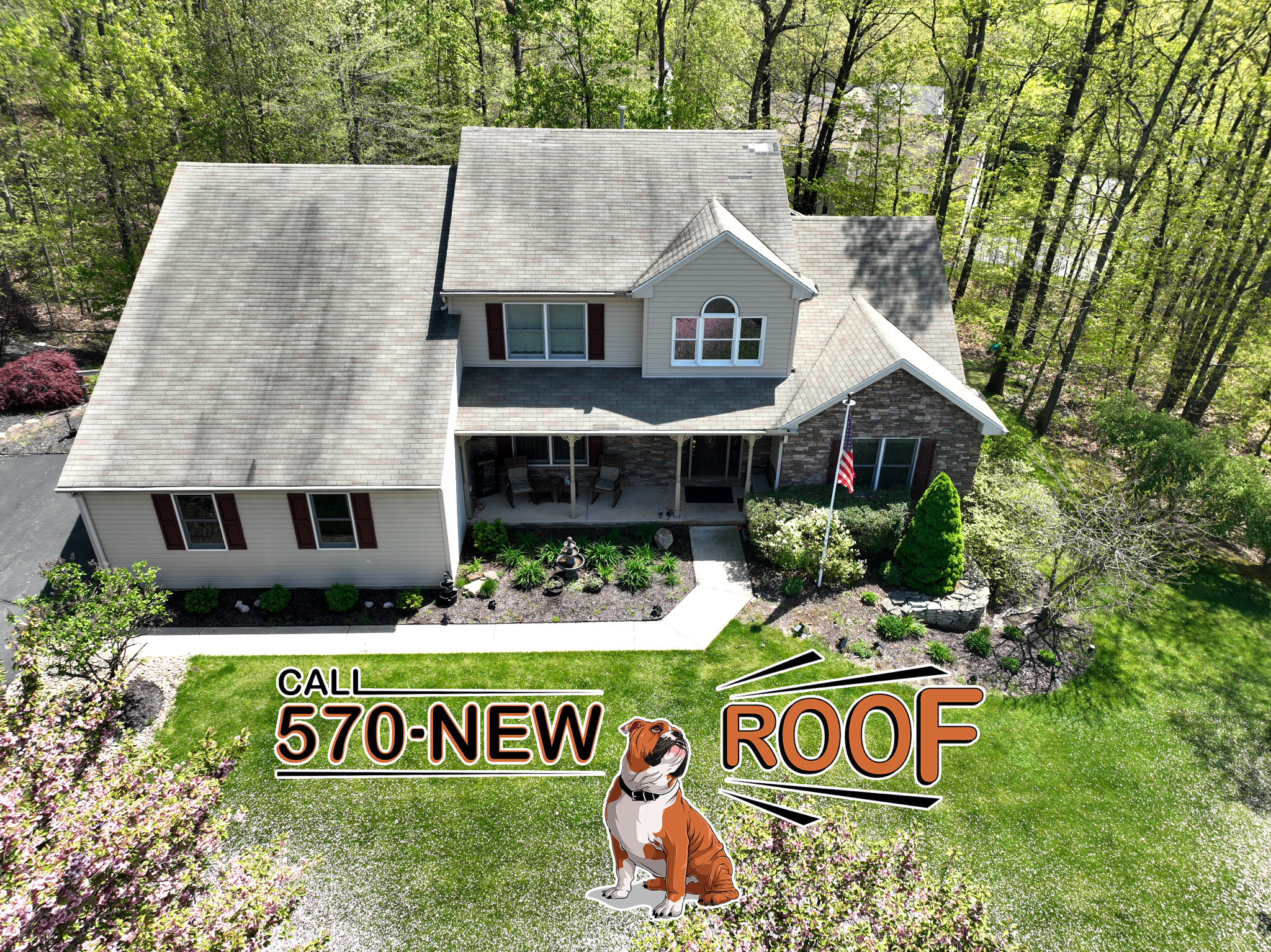
Mountainous Terrain vs. Valley Towns
Slope, Snow Load, and Structural Needs
Homes in higher elevation areas like Mountain Top, Bear Creek, or parts of the Poconos often face intense snow loads and strong winds. That means steeper pitch roofs are more common to help snow slide off, and reinforcements are often added to handle heavier weights. Meanwhile, homes in valley towns like Nanticoke or Plains may deal more with pooling rainwater due to flatter slopes, requiring different underlayment and drainage strategies.
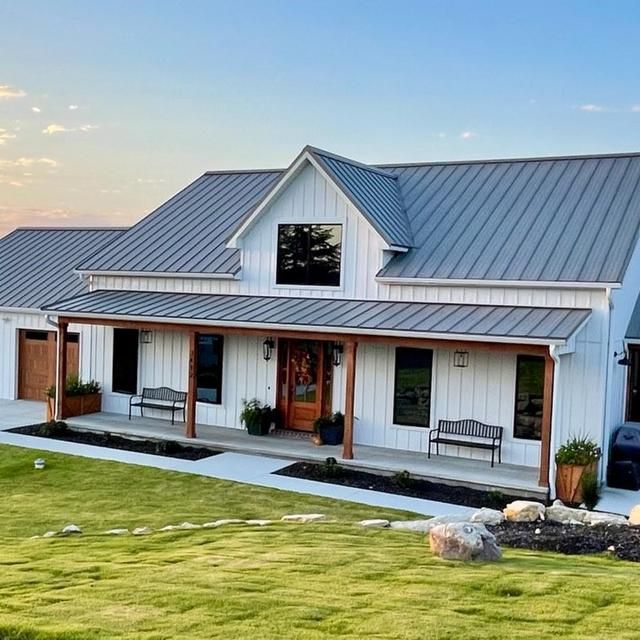
Urban Areas Have Tighter Rules and Roof Styles
Scranton, Wilkes-Barre, and Historic Zones
In cities like Scranton and Wilkes-Barre, you’re dealing with older homes packed close together. Many are historic or have flat or low-slope roofs, especially on row homes and older commercial buildings. These often require specialty membranes like EPDM or modified bitumen, and repairs can be tricky due to access issues and preservation rules.
Back Mountain and Rural Roofing Trends
Architectural Freedom Meets Natural Exposure
Places like Dallas, Harveys Lake, and Sweet Valley offer more space, which means homeowners often choose more modern or custom roof styles. You’ll see a lot more architectural shingles, metal roofs, and extended overhangs. But rural homes are also more exposed to tree damage and animals, so added protection like reinforced flashing and proper ventilation is critical.

The Lake Effect and Microclimates
Harveys Lake, Lake Wallenpaupack, and Beyond
Lakeside properties might seem peaceful, but the microclimates they create can wreak havoc on roofs. Constant moisture, heavy morning dew, and colder wind off the water can lead to mold, ice damming, and shingle degradation. Special attention to ice-and-water shield placement and ventilation becomes essential in these spots.

Coal Region Legacy Construction
Hazleton, Freeland, Ashley, and Other Mining Towns
Many homes in the old mining towns were built quickly and cheaply to house workers. As a result, you’ll still find roofing systems with minimal insulation, odd framing, or outdated materials. Upgrades often require structural correction, and ventilation is a major issue. You can’t just slap new shingles on these roofs — they need real planning.

Seasonal Timing Varies by Zone
The Ideal Time to Roof Isn’t the Same Everywhere
Because of NEPA’s elevation swings, roofing timelines can shift drastically from one town to the next. A job that’s safe in March in Wilkes-Barre may need to wait until May up in Thornhurst. Likewise, autumn closes in faster in the hills, shortening the fall roofing window. That’s why working with a roofer who knows your area is key to getting it done right — and on time.
Final Thoughts: Local Knowledge Is Everything
Roofing in NEPA isn’t just about shingles and nails — it’s about understanding the land, the weather, and the history of the buildings themselves. What works in one town could be a mistake in another. So before you hire a roofer or grab a ladder yourself, make sure your plan fits your location. In this region, geography is just as important as skill.