Roof Sagging in Older PA Homes: Causes & What to Do
Understanding Roof Sagging in Pennsylvania Homes
Roof sagging is a serious structural issue that many older Pennsylvania homes and commercial buildings face, particularly in areas like Scranton and Wilkes-Barre where harsh weather and aging construction collide. Often dismissed as cosmetic or minor settling, a sagging roof is usually a sign of deeper structural fatigue, moisture damage, or outdated framing techniques. Homeowners and business owners alike should understand that a drooping roofline isn’t just an eyesore—it could be the beginning of major roofing failure. Identifying and addressing this problem early can prevent costly damage and help protect both your property and its occupants.
What Is Roof Sagging?
Definition and Visual Signs
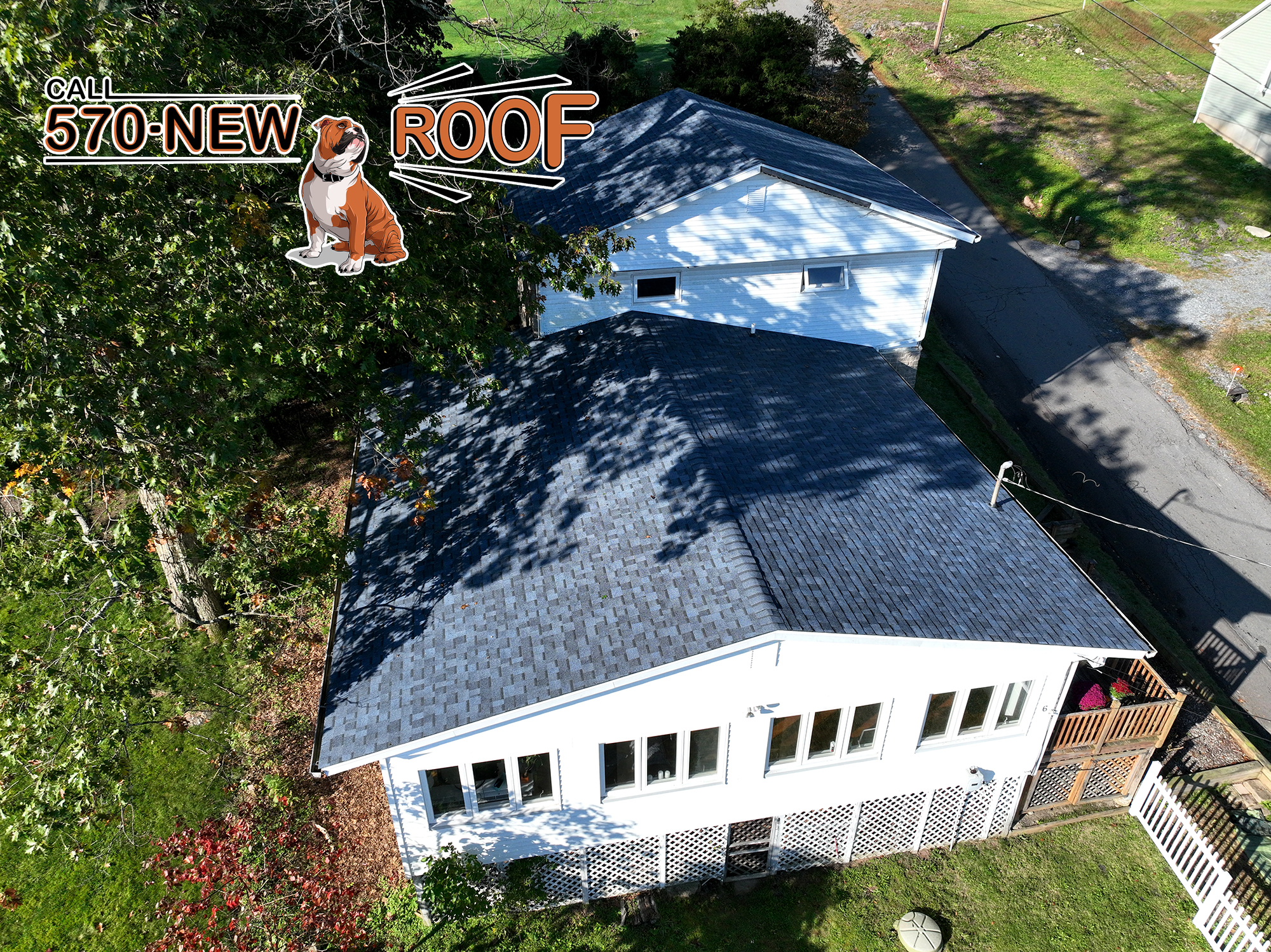
Roof sagging refers to a noticeable dip, curve, or depression in your roofline. This can appear in various areas, such as the ridgeline (the peak of the roof), between trusses, or in the middle of roof planes. It often looks like a drooping or wave pattern and becomes more visible over time. Some homeowners may also notice shingles buckling or separating due to the uneven surface underneath. This is more than a cosmetic issue—visual sagging often hints at problems with the underlying structural elements. Early signs can be subtle, but catching them quickly can prevent extensive repairs later.
When Sagging Becomes a Structural Problem
Although a slightly uneven roofline can be normal in older homes, significant sagging often indicates more serious concerns like rotting rafters, failing supports, or long-term water infiltration. When a roof begins to sag, it can put strain on the entire framework of the house or building, leading to misaligned walls, cracked ceilings, or compromised insulation. These changes can also increase the likelihood of leaks, pests, and heat loss. If not addressed promptly, the structural deterioration may become extensive, requiring full roof replacement rather than a minor repair. In short, sagging should never be ignored… it’s a warning sign.

Common Causes of Roof Sagging in Older Pennsylvania Homes

How to Inspect for Roof Sagging Safely
Outdoor Visual Inspection Tips
Check your roofline from a distance and look for visible dips, ripples, or uneven surfaces along the ridge or slopes. Use binoculars if necessary to get a closer look without risking injury. Also pay attention to sagging gutters or rooflines that appear to slope inward, as these can be early warning signs of a deeper issue.
Interior Signs to Look For
Inside your home or attic, signs like cracked drywall, bowed ceilings, or daylight peeking through the roof boards may indicate sagging from the inside. You might also notice doors or windows that no longer close properly due to shifting roof pressure. Unusual creaking sounds in the attic or visible bends in rafters and ceiling joists are also indicators that shouldn’t be ignored.

What to Do if You Notice Roof Sagging
- Avoid walking on or under a visibly sagging roof: This can be dangerous as the roof structure may be unstable and could collapse under additional weight.
- Move or protect valuable items inside: Clear out sensitive belongings from areas directly beneath the sagging section to avoid water damage or debris if the roof worsens.
- Document visible damage: Take photos of both interior and exterior signs of sagging for your records and potential insurance claims.
- Schedule a professional inspection: A licensed roofing contractor can safely assess the extent of the sag, determine the underlying cause, and provide guidance on whether repair or full replacement is necessary.

Repair vs. Replace: Addressing a Sagging Roof
Minor Sagging May Be Repairable
Localized sagging due to small leaks or light damage might be fixed by reinforcing trusses, replacing sheathing, or installing sister joists. These targeted repairs can extend the lifespan of your existing roof structure without the need for a full replacement. This option is often more cost-effective and quicker, especially when sagging is caught early before further deterioration spreads.
Major Structural Sag Usually Requires Replacement
In more severe cases, especially on older homes or commercial roofs, a full roof replacement may be necessary to restore structural integrity and safety. When the roof decking, rafters, or trusses are too compromised, patchwork repairs won’t provide a lasting solution. A complete rebuild ensures the property remains safe and compliant with current building codes, avoiding future risk.

Sagging Roofs on Commercial Properties: Special Considerations
Flat commercial roofs in Pennsylvania are particularly vulnerable to sagging due to their structure and exposure. Unlike pitched roofs, flat roofs tend to accumulate standing water after rain or snow, which increases pressure on older or weakened support systems. In addition, commercial rooftops often support HVAC units or other mechanical equipment that add to the structural load. Aging joists, poorly maintained drainage, and outdated materials only worsen the issue. If you operate a business in areas like Scranton or Wilkes-Barre, routine inspections can help detect sagging early before it impacts your operations or endangers staff and customers.

Need Help with Roof Sagging in PA?
If you’re dealing with roof sagging in your home or commercial property, it’s essential to act before the problem gets worse. Whether you’re located in Scranton, Wilkes-Barre, or another part of Northeastern Pennsylvania, our team offers detailed inspections to uncover the root of the issue. We assess the severity, recommend cost-effective repair or replacement solutions, and ensure your structure meets safety standards. With extensive experience working on aging PA buildings, we understand the challenges your property faces. Don’t let a sagging roof lead to more damage—reach out for professional insight and protect your investment.