
Roofs and Energy Use in Northeastern Pennsylvania
In Northeastern Pennsylvania, homeowners often focus on insulation and windows when trying to improve energy efficiency—but your roof plays a major role too. The type of roofing material, color, ventilation, and condition can significantly affect how much heat your home gains in summer or loses in winter. A well-maintained, energy-efficient roof not only reduces utility bills but also makes your home more comfortable year-round. This article explores how roofs contribute to energy performance in NEPA homes and what steps you can take to improve efficiency through smart roofing choices.
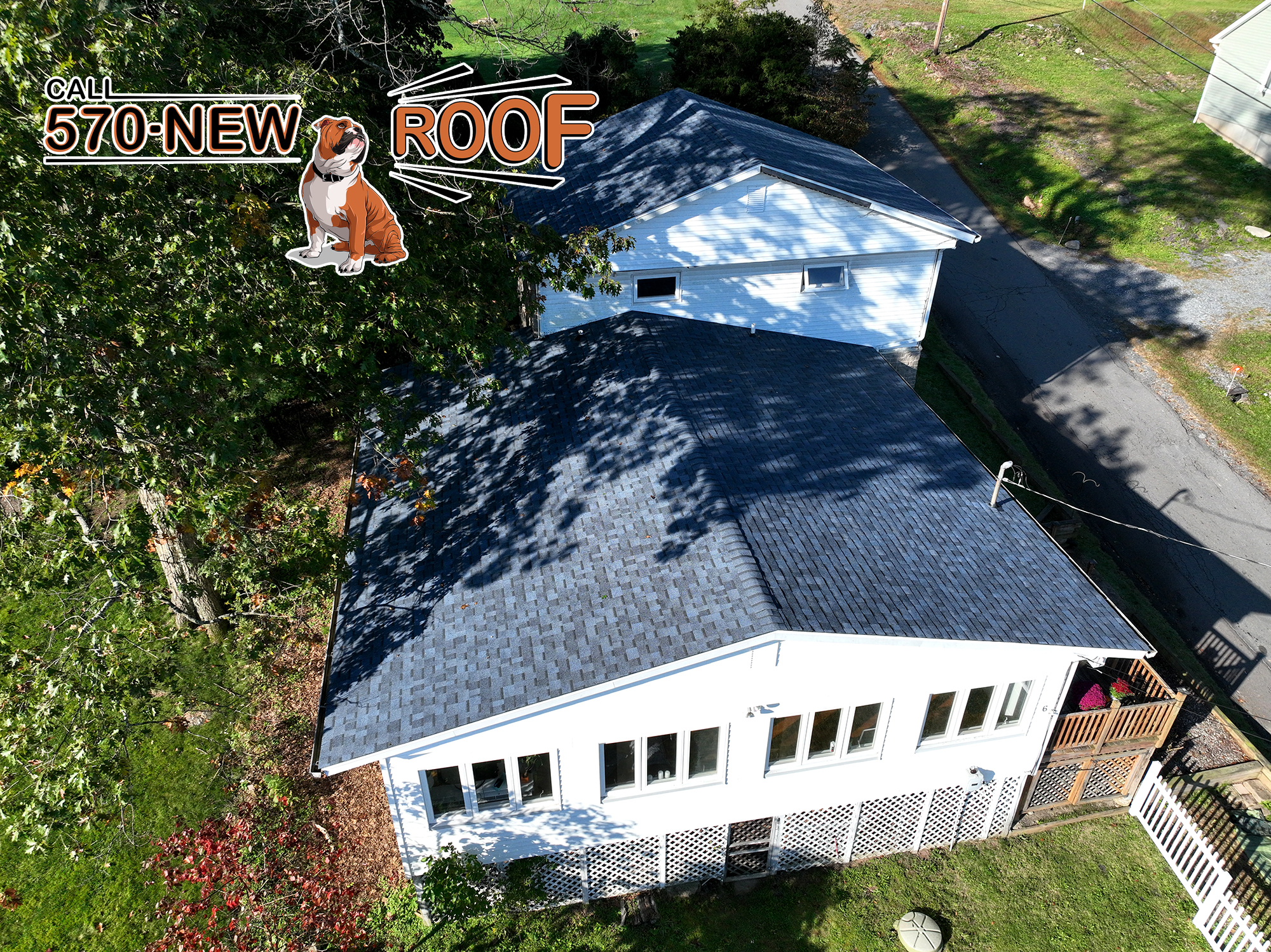
Roofing Materials and Their Insulating Properties
The type of roofing material you use has a significant impact on energy efficiency. Each option offers different levels of insulation and solar reflection:
- Asphalt Shingles: Common in NEPA, but they absorb heat unless reflective versions are used.
- Metal Roofing: Reflects solar radiation, helping keep homes cooler in summer.
- Rubber Roofing: Often used on flat roofs, offering moderate insulation and UV reflection when properly coated.
- Stone or Slate: Known for excellent thermal mass, which helps naturally regulate indoor temperatures year-round.

Roof Color and Solar Reflectance
Roof color plays a key role in how much solar heat your home absorbs. Lighter-colored roofs reflect more sunlight, helping reduce cooling costs during the summer. In contrast, darker roofs absorb heat, which might be helpful in winter but contributes to higher temperatures inside the home in warmer months. Choosing ENERGY STAR-rated cool roof materials is one of the most effective ways to improve solar reflectance and overall energy efficiency.

Ventilation and Attic Insulation
Ventilation and attic insulation work together to maintain energy efficiency. Proper roof ventilation helps prevent heat buildup during summer and reduces moisture accumulation in winter. This includes the use of ridge vents, soffit vents, and attic fans to keep air flowing. Sufficient insulation under the roof deck minimizes heat transfer, keeping your living space comfortable and your energy bills lower.

Signs Your Roof Is Hurting Your Efficiency
Your roof might be negatively impacting your energy usage if you notice any of the following:
- High energy bills, even with modern HVAC systems.
- Uneven temperatures throughout your home.
- Ice dams forming during the winter, indicating poor ventilation or insulation.
- Hot ceilings or drafts near the roofline, especially in upper floors or attics.

How to Make Your Roof More Energy-Efficient
Boosting your roof’s energy performance can be simple with a few proactive upgrades:
- Install radiant barriers or reflective coatings to deflect heat.
- Choose roofing materials designed for energy efficiency.
- Upgrade attic insulation and ventilation to regulate temperature.
- Schedule regular roof inspections to identify and address small issues before they grow.

When to Consider a Roof Replacement
Sometimes, the best way to improve energy efficiency is through a full roof replacement. Consider it if:
- Your roof is older than 20 years and no longer performing well.
- You’re planning a remodel or energy upgrade.
- You have persistent leaks, sagging, or poor insulation.
- A new roof could significantly lower energy bills and eventually pay for itself.

A Smarter Roof for Lower Bills
Your roof is more than just shelter—it’s a key factor in your home’s energy performance. In NEPA, where winters are cold and summers humid, optimizing your roof can lead to significant energy savings and year-round comfort. Whether it’s upgrading materials, improving ventilation, or investing in regular maintenance, each step contributes to better efficiency. Don’t overlook your roof when thinking about home energy improvements. Consult with a roofing professional to assess your current system and explore smarter, more sustainable options for your home.