
How Long Does a Roof Last
Lifespan by Material & Climate
Roofing in Northeastern Pennsylvania (NEPA) takes a real beating from the region’s shifting climate. From snow-packed winters and spring thaw to summer sun and fall rainstorms, every season brings conditions that can shorten a roof’s lifespan. For home and business owners alike, understanding how long a roof lasts in NEPA isn’t just useful… it’s essential for planning repairs, budgeting replacements, and avoiding costly damage. In this article, 570 New Roof breaks down roof longevity by material type and explains how local weather affects different roofing systems. If you’re unsure where your roof stands, this guide can help clarify what to expect.

Key Factors That Affect Roof Lifespan in NEPA
A roof’s lifespan in NEPA is influenced by several interconnected factors, from environmental pressures to the craftsmanship of the installation. These elements determine whether your roof meets, exceeds, or falls short of its expected service life. Homeowners and business owners in the region need to be especially aware of how each factor compounds over time.

Roof Lifespan by Material Type
Different roofing materials offer different lifespans, and understanding how they perform in NEPA’s climate is critical to making smart roofing decisions. From affordable asphalt shingles to long-lasting slate or metal, each material reacts differently to the region’s rain, snow, UV exposure, and freeze-thaw cycles.
Commercial vs. Residential Roofing Lifespan
Compare how material type, roof pitch, and building usage create different wear patterns between homes and businesses in NEPA.
While both residential and commercial roofs in NEPA face the same climate extremes, they often differ in design, materials, and how they handle those conditions. Residential roofs tend to be pitched and use materials like asphalt shingles or metal, which shed snow and rain more easily. Commercial buildings, on the other hand, often have flat or low-slope rubber roofs that are more vulnerable to pooling water, ice accumulation, and sun exposure.
Additionally, commercial roofs typically cover larger surface areas and may support rooftop equipment like HVAC systems, which adds weight and introduces more potential for leaks. Residential roofs, while smaller, often suffer from inadequate attic ventilation or insulation that leads to premature deterioration. Understanding these differences is key when deciding on materials and maintenance schedules for either type of property in NEPA.
Signs Your Roof May Be Nearing the End
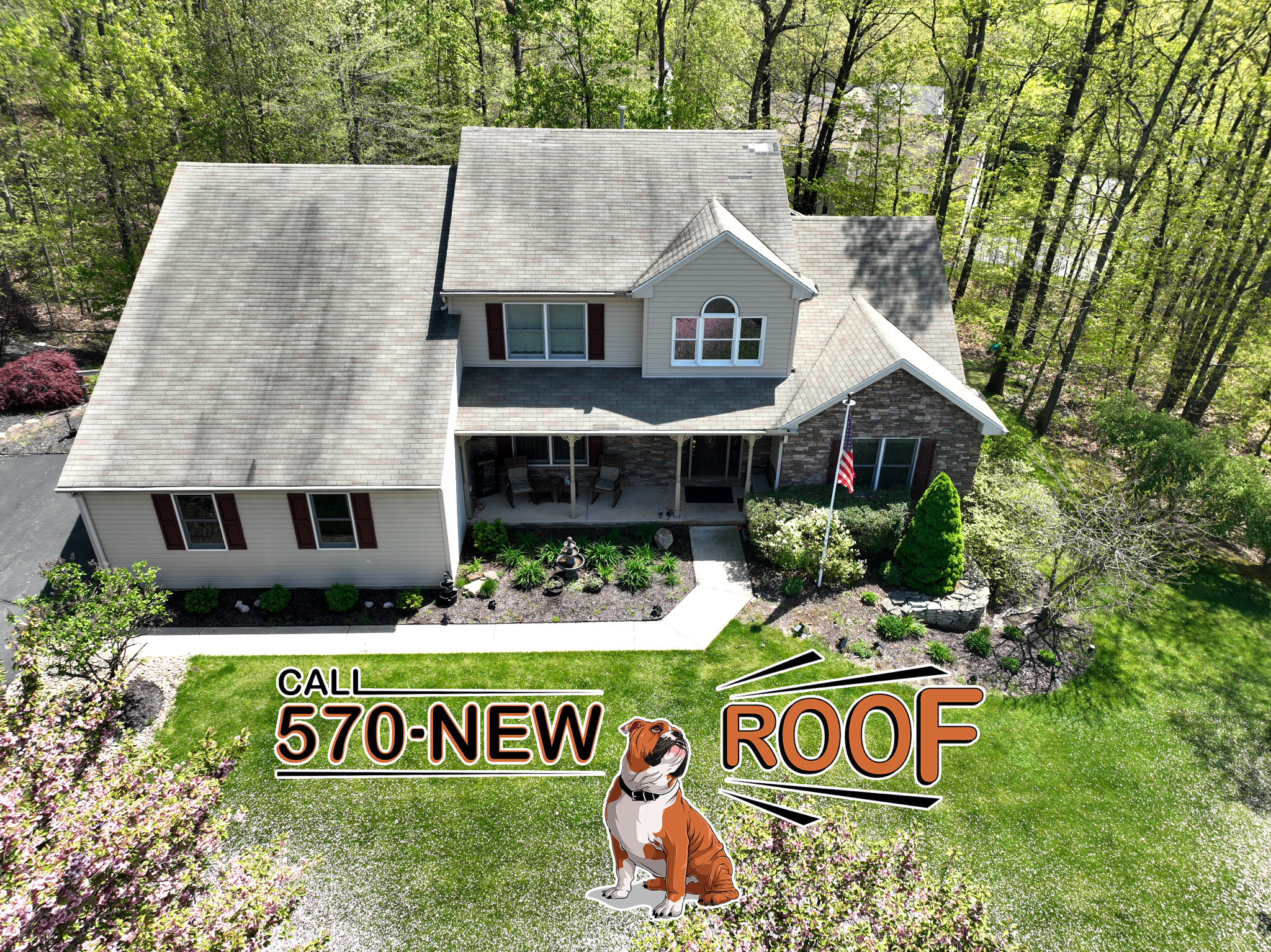
Over time, all roofs will show signs of aging — but catching those signs early can make a big difference. In NEPA, homeowners and commercial property managers should keep an eye out for cracked or curling shingles, rusted flashing, bald patches, bubbling on rubber membranes, and frequent granule loss in gutters. Water stains on ceilings, moldy attic insulation, or daylight peeking through roof boards are also red flags that shouldn’t be ignored. These symptoms often indicate that your roof may be near the end of its useful life, especially if it’s approaching the average lifespan for its material. Even if damage isn’t obvious from the ground, a closer inspection may reveal deeper issues developing out of sight.

Should You Repair, Restore, or Replace?
When signs of roof aging start to show, the next question becomes: what’s the right move? Depending on the condition, age, and material of your roof — and how it’s handled NEPA’s intense weather — you may have more than one path forward. Here’s a closer look at your options:
-
- Repair: Minor repairs are best when the rest of the roof is still structurally sound. Things like replacing a few missing shingles, sealing a small leak, or fixing flashing can extend the life of your roof without the cost of a major overhaul. This is a practical option for newer roofs or those that have only suffered localized damage from wind or falling debris.
- Restore: Roof restoration, such as adding protective coatings or resurfacing, is ideal for aging but still intact systems — especially flat rubber roofs or metal roofs that haven’t yet failed. Restoration can add 10–15 years of life and improve weather resistance without the full expense of a tear-off. It’s a smart middle-ground solution often overlooked by property owners.
- Replace: When the roof has reached the end of its service life, shows widespread damage, or is leaking in multiple places, full replacement is usually the only viable choice. Roof replacement is more expensive upfront, but it provides peace of mind, improved energy efficiency, and long-term savings. This is especially important in NEPA, where old roofing can lead to costly interior damage in just one bad storm.

Not Sure How Long Your Roof Will Last?
If you’re unsure how much life your roof has left, you’re not alone — most home and business owners in NEPA don’t know their roof’s exact age or condition. With the region’s climate accelerating wear and tear, it’s always better to get a clear answer before problems escalate. A professional roof inspection from 570 New Roof can identify hidden issues, estimate remaining lifespan, and help you make informed decisions about repairs, restoration, or replacement. Don’t wait until you’re dealing with a major leak or costly interior damage. Contact 570 New Roof today for a no-obligation inspection and expert guidance tailored to your property’s unique needs.